
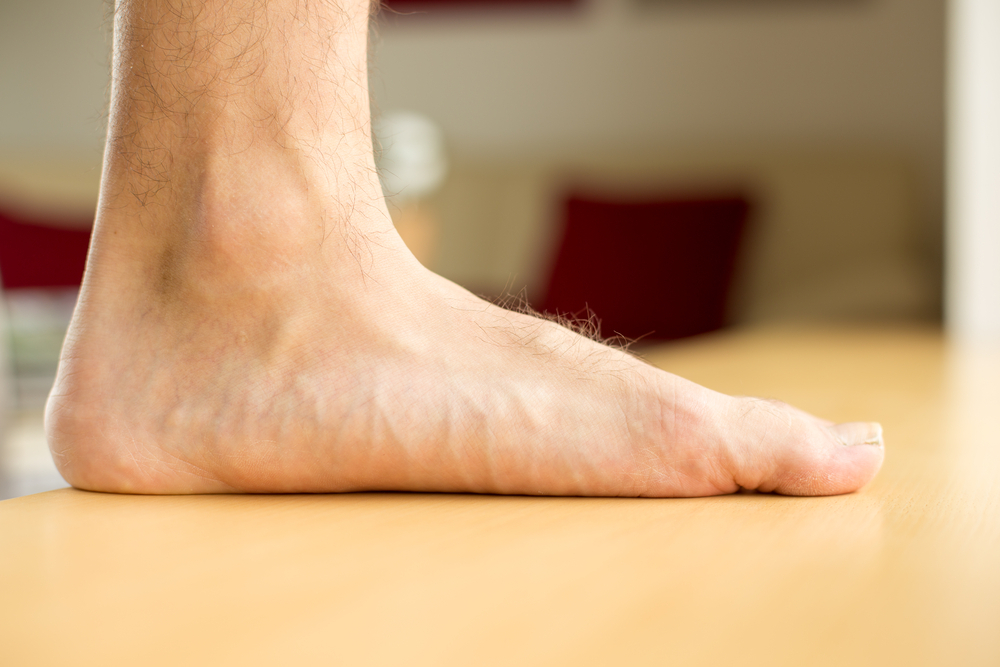
What is Pes Planus (Flat Feet)?
Flat feet, or Pes Planus, occur when the arch of the foot collapses, allowing the entire sole to touch or nearly touch the ground. In adults, flat feet are often acquired due to the weakening of the posterior tibial tendon. This condition can lead to chronic foot pain, knee pain, and postural issues that our specialists manage at the Mercy Office.
Request an AppointmentCauses and Complications
The causes are often structural, but the complications are biomechanical, affecting the entire leg:
- Genetics and Bone Structure: Inherited tendency for the feet to be naturally flat or loose-jointed.
- Tendon Damage: Weakness or rupture of the posterior tibial tendon (PTT), the main support structure of the arch.
- Trauma: An injury to the foot or ankle that damages tendons or bones.
- Obesity: Excess weight places significant stress on the arch structures.
- Complications: Can lead to Plantar Fasciitis, Achilles Tendonitis, shin splints, and chronic knee/hip pain.
Symptoms of Collapsed Arches
Not all flat feet are painful, but when symptoms occur, they usually involve the ankle and arch:
- Arch or Heel Pain: Aching, burning, or throbbing pain along the bottom of the foot, especially after physical activity.
- Ankle Pronation: The ankle often appears to roll inward excessively.
- Lower Leg Fatigue: Tired or aching legs, especially toward the end of the day.
Treatment and Correction Options
Treatment depends on the rigidity of the flatfoot and the involvement of the PTT, and begins with a consultation at the Lutherville Office.
- Conservative Management:
- Custom Orthotics: The most common and effective treatment for flexible flat feet, stabilizing the heel and providing necessary arch support.
- Physical Therapy/Bracing: Strengthening the supporting muscles and stabilizing the ankle.
- Surgical Reconstruction: For severe, rigid deformities or extensive PTT damage, our surgeons at Foot Centers of Maryland offer procedures (such as tendon transfers or joint fusions) to reconstruct a functional arch and provide permanent stability.